The Evolution of Personalized Medicine & Biotech: A 2026 Perspective
March 2026 marks a transformative period in healthcare, where the long-promised era of personalized medicine is rapidly becoming a tangible reality, driven by unprecedented advancements in biotechnology. No longer a distant dream, treatments are increasingly tailored to an individual's unique genetic makeup, lifestyle, and environment. This revolution is powered by a convergence of genomics, artificial intelligence, advanced diagnostics, and novel therapeutic platforms, promising a future where disease prevention is proactive and treatments are more precise and effective than ever before.
Genomics at the Forefront: Precision Diagnostics and CRISPR Therapies
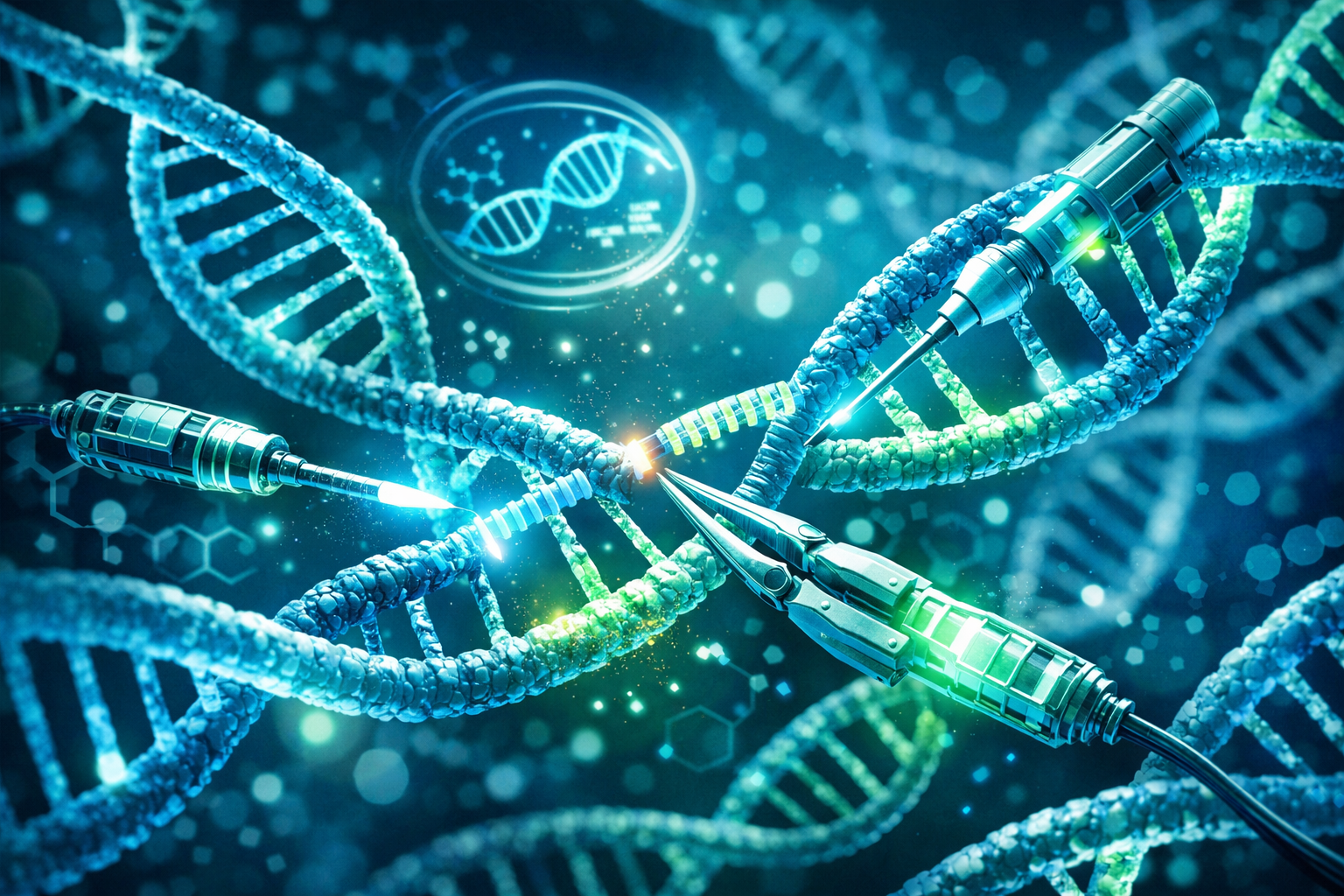
At the heart of personalized medicine in 2026 is the continued explosion in genomic understanding and technology. Whole-genome sequencing, once a prohibitively expensive and time-consuming endeavor, is now a routine diagnostic tool, offering insights into an individual's predisposition to disease, drug responses, and optimal treatment pathways. This data forms the bedrock upon which personalized healthcare plans are built.
Perhaps the most exciting development is the maturation of CRISPR-based gene editing therapies. In 2026, we are witnessing the first wave of approved and highly effective CRISPR treatments for a range of genetic disorders, from sickle cell disease to certain forms of inherited blindness. These therapies are moving beyond single-gene disorders, with research rapidly progressing into more complex conditions. The ethical considerations surrounding germline editing remain a significant global discussion, but somatic cell therapies are demonstrating remarkable success, offering cures where only management was once possible.
AI in Drug Discovery and Development: Accelerating Innovation

Artificial intelligence (AI) has become an indispensable partner in the biotechnology sector, dramatically accelerating the pace of drug discovery and development. In 2026, AI algorithms are sifting through vast datasets of genomic information, protein structures, and clinical trial results to identify novel drug targets, predict molecular interactions, and optimize compound design with unprecedented speed and accuracy. This significantly reduces the time and cost associated with bringing new therapies to market.
Beyond discovery, AI is also revolutionizing clinical trials. Machine learning models are being used to identify ideal patient cohorts, monitor treatment efficacy in real-time, and predict adverse reactions, leading to more efficient and successful trials. This AI-driven approach is not only bringing life-saving drugs to patients faster but is also enabling the development of highly targeted therapies for rare diseases that were previously overlooked due to economic viability concerns.
Advanced Diagnostics and Wearable Tech: Proactive Health Management
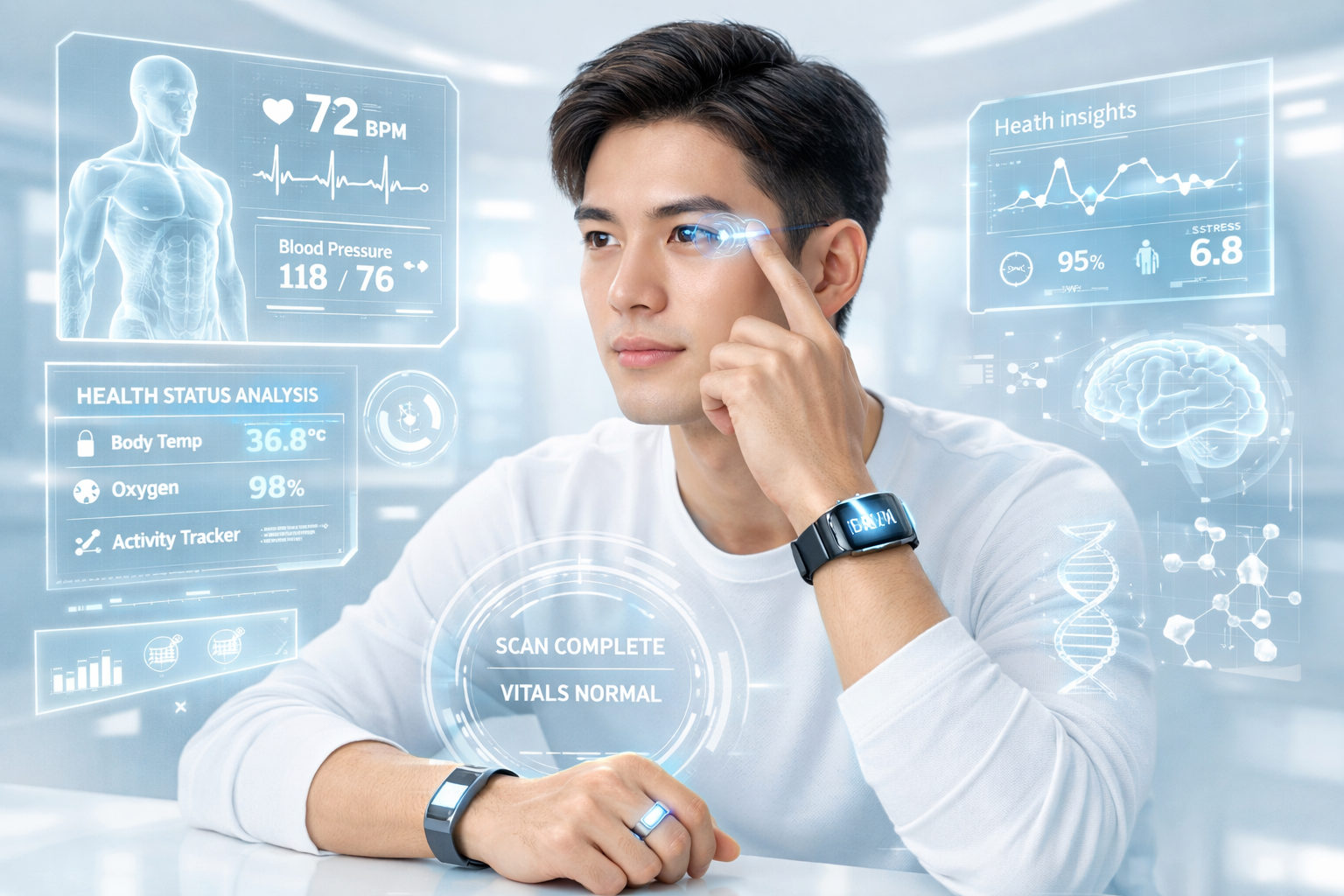
The landscape of diagnostics has been transformed by miniaturization, connectivity, and AI. In 2026, advanced diagnostic tools are moving out of the lab and into everyday life. Smart wearables are no longer just tracking steps; they are continuously monitoring vital signs, detecting early markers of disease, and providing personalized health insights. Continuous glucose monitors, smart patches for cardiac rhythm analysis, and even smart contact lenses for ocular health are becoming commonplace.
These devices, coupled with AI-powered analytical platforms, enable a truly proactive approach to health management. Instead of reacting to illness, individuals and their healthcare providers can intervene early, often before symptoms even manifest. This shift from reactive to preventative care is not only improving patient outcomes but also reducing the overall burden on healthcare systems by preventing costly late-stage interventions.
Biomanufacturing and Regenerative Medicine: Building the Future of Health
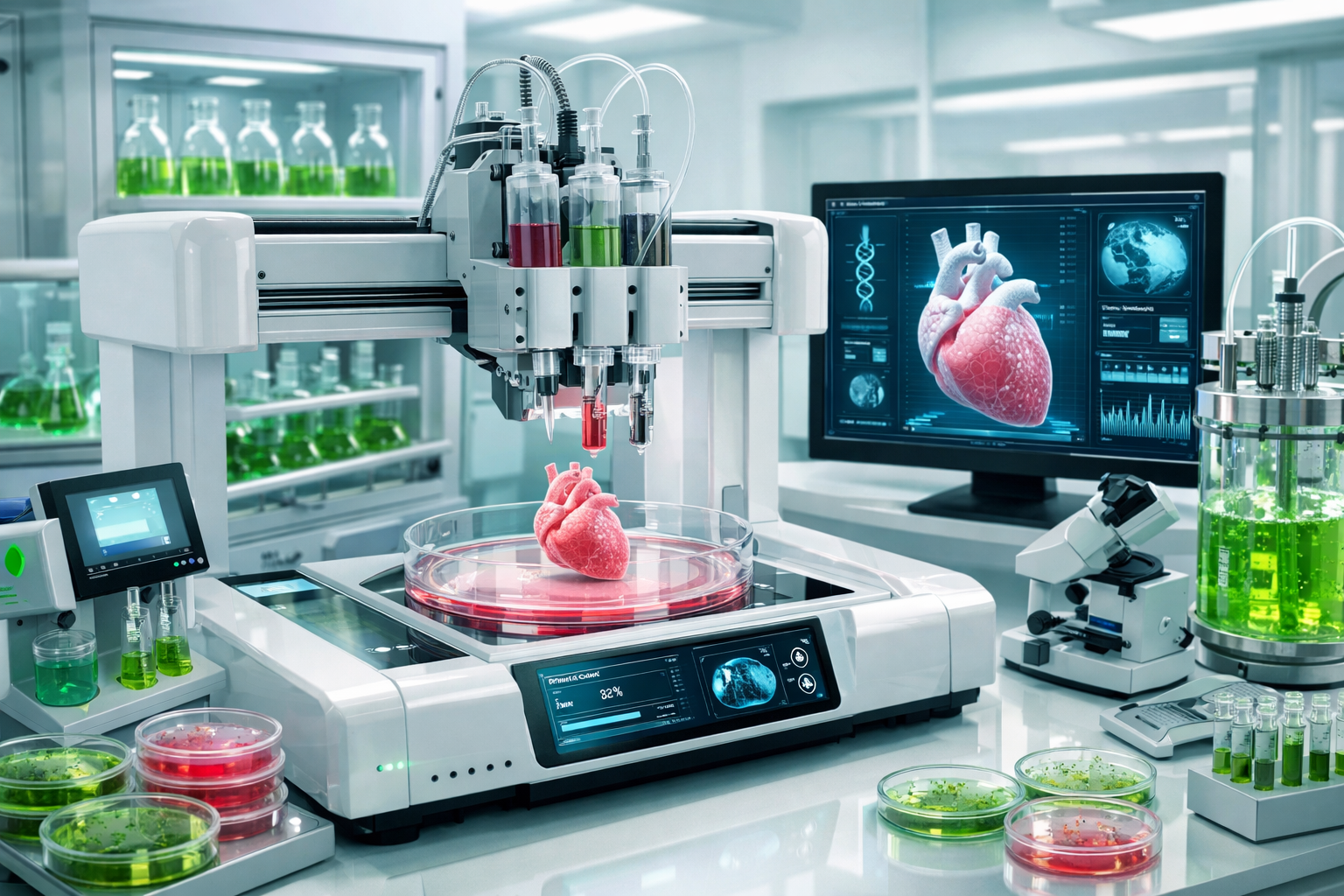
Biomanufacturing is undergoing a renaissance, with technologies like 3D bioprinting and advanced cell culture techniques enabling the creation of complex biological structures. In 2026, regenerative medicine is making significant strides, with lab-grown organs and tissues moving closer to clinical application. This offers hope for patients awaiting transplants and those suffering from organ failure, potentially eliminating the need for donor organs and reducing rejection risks.
Furthermore, personalized vaccines, tailored to an individual's immune profile or specific cancer mutations, are becoming a reality. This represents a monumental leap in our ability to combat infectious diseases and cancer, leveraging the body's own defense mechanisms with unparalleled precision. The ability to engineer biological systems at such a fundamental level is opening up entirely new avenues for treating previously incurable conditions.
Ethical Considerations and Equitable Access
While the advancements in personalized medicine and biotechnology are breathtaking, they also bring significant ethical considerations and challenges regarding equitable access. Questions surrounding data privacy, genetic discrimination, and the potential for exacerbating health disparities are at the forefront of public debate. Ensuring that these life-changing technologies are accessible to all, regardless of socioeconomic status, is a critical global imperative.
Regulatory bodies are working to establish robust frameworks that protect patient data, ensure the safe and ethical application of gene editing, and promote fair pricing models for advanced therapies. International collaboration is vital to navigate these complex issues and ensure that the benefits of this medical revolution are shared broadly across humanity.
Conclusion: A New Era of Health and Longevity
March 2026 stands as a testament to humanity's relentless pursuit of better health. The convergence of personalized medicine and biotechnology is ushering in a new era of precision, prevention, and personalized care. From CRISPR-based cures to AI-driven drug discovery and proactive health management through wearables, the tools at our disposal are more powerful than ever.
The journey ahead will require continued innovation, careful ethical stewardship, and a commitment to global equity. Yet, the promise of a future where diseases are not just treated but prevented, where therapies are perfectly tailored, and where human longevity and quality of life are dramatically enhanced, is a powerful motivator. The biotech revolution is not just changing medicine; it's redefining what it means to be healthy in the 21st century.