DeFi 2.0: The Great Convergence of Traditional and Decentralized Finance in 2026
March 2026 marks a pivotal phase in the evolution of decentralized finance (DeFi), as the once-distinct worlds of traditional finance (TradFi) and blockchain-based ecosystems are undergoing a profound convergence. This isn't merely a technological upgrade; it's a fundamental paradigm shift, often dubbed "DeFi 2.0," characterized by increased institutional adoption, regulatory clarity, and the tokenization of real-world assets (RWAs). The narrative is no longer about replacing TradFi but about integrating and enhancing it, creating a more robust, efficient, and inclusive global financial system.
Institutional Embrace: The Bridge to Mainstream Adoption

One of the most significant trends defining DeFi 2.0 in 2026 is the growing embrace by traditional financial institutions. Major players like HSBC and Standard Chartered, once wary of the nascent crypto space, are now actively exploring and implementing blockchain solutions. This institutional influx is driven by the undeniable efficiencies and transparency offered by decentralized protocols, particularly in areas like cross-border payments, trade finance, and asset management. The convergence is evident in financial hubs from Hong Kong to Wyoming, where progressive regulatory frameworks are being established to accommodate this new asset class.
This integration is not without its challenges. Regulatory bodies are grappling with how to apply existing financial laws to decentralized systems, leading to a patchwork of regulations globally. However, the overall trajectory is clear: institutions are no longer on the sidelines. Their participation brings much-needed liquidity, stability, and legitimacy to the DeFi space, paving the way for broader mainstream adoption. The World Economic Forum, in its 2026 outlook, highlighted this increased convergence as a key inflection point for the digital economy, emphasizing the potential for digital assets to revolutionize financial services.
Real-World Asset (RWA) Tokenization: Unlocking New Value

At the heart of DeFi 2.0's growth is the burgeoning trend of real-world asset (RWA) tokenization. This involves representing tangible and intangible assets—such as real estate, commodities, intellectual property, and even fine art—as digital tokens on a blockchain. This process unlocks unprecedented liquidity, fractional ownership, and global accessibility for assets that were traditionally illiquid and confined to specific markets.
In March 2026, RWA tokenization remains one of the dominant forces in the DeFi landscape. Institutional players are leading much of this growth, recognizing the potential to streamline operations, reduce intermediaries, and enhance transparency in asset management. Imagine a future where a fraction of a commercial building can be traded instantly on a decentralized exchange, or where supply chain financing is executed seamlessly through tokenized invoices. This is the promise of RWA tokenization, and its impact on global capital markets is expected to be transformative, bringing trillions of dollars of value onto blockchain rails.
The Evolving DeFi Landscape: Protocols and Platforms
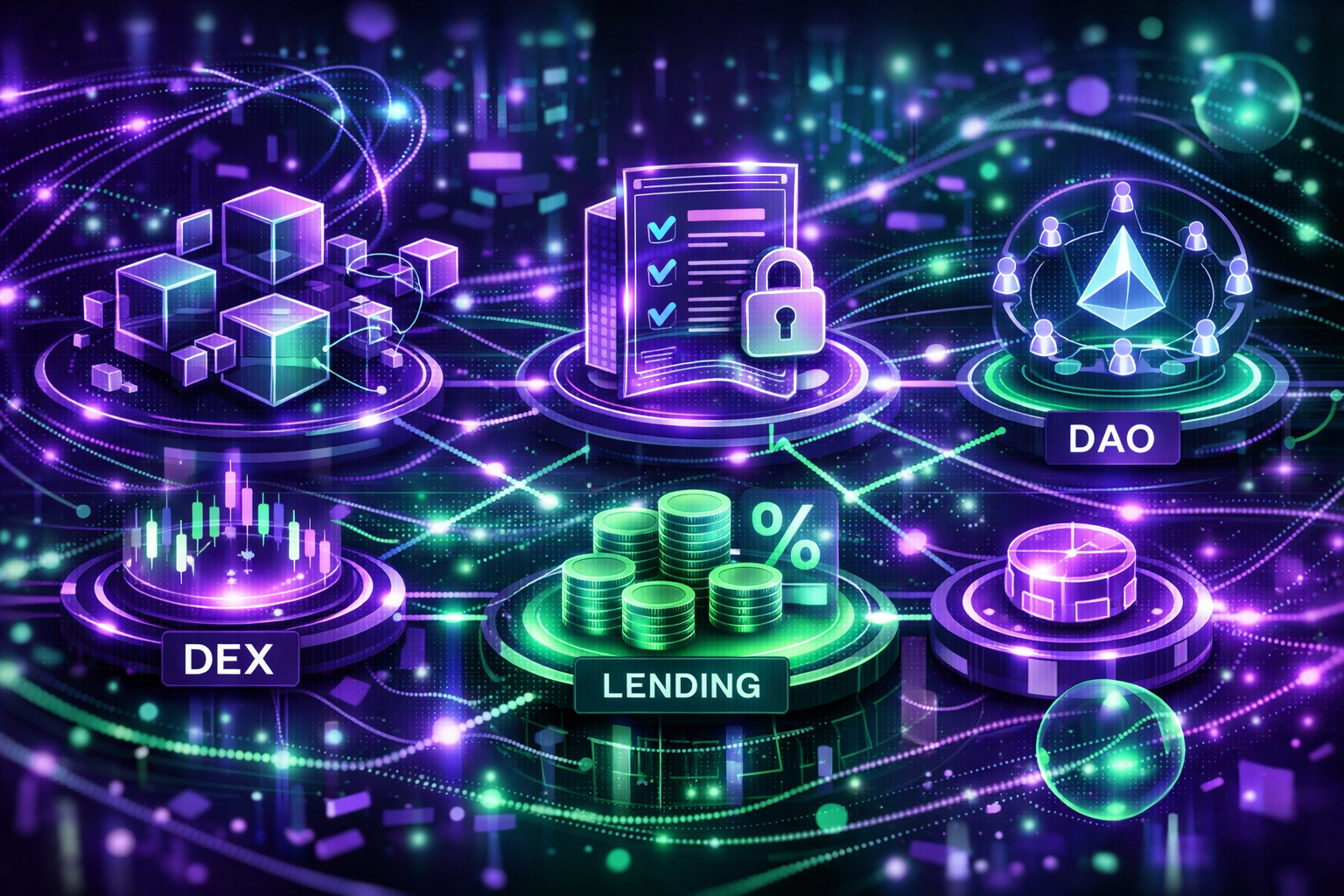
The underlying infrastructure of DeFi continues to mature and expand. Platforms such as Ethereum, Solana, and Cardano remain central to the ecosystem, constantly evolving to address scalability, security, and interoperability challenges. Ethereum, with its robust developer community and established network effects, continues to be a hub for innovation, while Solana offers high throughput for demanding applications, and Cardano focuses on formal verification and sustainable development.
Beyond these foundational layers, specialized protocols are emerging to cater to the specific needs of DeFi 2.0. Decentralized exchanges (DEXs) are becoming more sophisticated, offering advanced trading features and deeper liquidity. Lending and borrowing protocols are integrating with RWA tokenization, allowing for collateralization with traditional assets. Furthermore, the concept of decentralized identity (DID) is gaining traction, providing a secure and privacy-preserving way for users to manage their digital identities across various DeFi applications, which is crucial for regulatory compliance and institutional participation.
Regulatory Clarity and Global Adoption
Regulatory developments are playing a critical role in shaping the trajectory of DeFi 2.0. While challenges persist, several jurisdictions are making significant strides in providing clarity and fostering innovation. Regions like Hong Kong and Wyoming are emerging as pioneers, establishing frameworks that balance consumer protection with technological advancement. This regulatory evolution is crucial for attracting institutional capital and ensuring the long-term sustainability of the DeFi ecosystem.
Globally, central banks and governments are also exploring the potential of Central Bank Digital Currencies (CBDCs), which, while distinct from decentralized cryptocurrencies, often leverage similar blockchain technology. The discussions around CBDCs are contributing to a broader understanding and acceptance of digital assets within the traditional financial system, further accelerating the convergence trend.
Challenges and the Road Ahead
Despite the rapid progress, DeFi 2.0 faces significant challenges. Scalability remains a persistent hurdle, as increasing transaction volumes can strain network capacity and drive up fees. Security risks, including smart contract vulnerabilities and exploits, continue to be a concern, necessitating continuous auditing and robust risk management frameworks. Furthermore, interoperability between different blockchain networks and with traditional financial systems is essential for seamless value transfer and broader adoption.
Another critical aspect is user experience. While significant improvements have been made, DeFi applications can still be complex for the average user. Simplifying interfaces, enhancing accessibility, and providing clear educational resources are vital for attracting a wider audience beyond crypto natives. The journey towards a fully integrated and universally accessible financial system is ongoing, requiring continuous innovation and collaboration across both TradFi and DeFi sectors.
Conclusion: A Hybrid Financial Future
March 2026 solidifies the vision of a hybrid financial future, where the best elements of traditional finance and decentralized finance converge. DeFi 2.0 is not just about technological innovation; it's about building a more resilient, transparent, and equitable financial system. The institutional embrace, coupled with the transformative potential of RWA tokenization and evolving regulatory landscapes, is propelling us towards a future where financial services are more accessible, efficient, and globally interconnected.
The challenges are real, but the momentum is undeniable. As the lines between TradFi and DeFi continue to blur, the opportunities for innovation, economic growth, and financial inclusion are immense. The decisions and developments of today are laying the groundwork for a financial ecosystem that is truly fit for the digital age, promising a future where finance is more open, programmable, and ultimately, more powerful for everyone.